


Philosophy
What do you study in Philosophy?
Philosophy invites you to think deeply about the questions that matter most: what is reality? How do we know what we know? What is just or unjust? It is not only about reading ancient texts, but about developing a critical mind and making rigorous arguments in any context.
- Logic and argumentation: you will learn to construct and assess sound arguments
- Ethics and political philosophy: you will explore the foundations of good, justice, and power
- Metaphysics and epistemology: you will question the nature of reality and knowledge
- History of philosophy: from Plato to contemporary philosophy
- Philosophy of language, mind, and science
This education opens doors in teaching, ethics consulting, communications, law, politics, and any field where clear thinking makes a difference.
Generated by Stuveo
Where to study Philosophy?
32 degrees at 30 universities, 20 public. Annual fees from €518.

Filosofía
Universidad Católica de Valencia San Vicente Mártir · València

Filosofía, Política y Comunicación
Universidad San Pablo · Madrid

Filosofía
University of Navarra · Pamplona

Filosofía
Universidad Católica Santa Teresa de Jesús de Avila · Ávila

Filosofía
Universidad Pontificia de Salamanca · Salamanca

Filosofía
Universidad Nacional de Educación a Distancia · Madrid

Grado Oficial Universitario en Filosofía
TECH Universidad · San Cristóbal de La Laguna

Philosophy, Politics and Economics
Universidad Antonio de Nebrija · Madrid
What careers does Philosophy lead to?
6 professions it opens the door to, such as Philosopher and Secondary School Teacher.
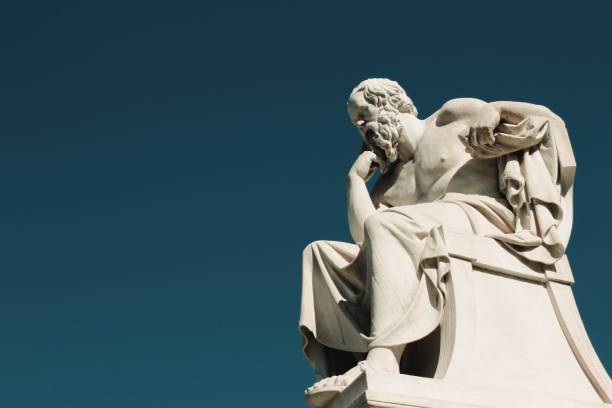
Philosopher
A philosopher is a person who studies philosophy, the love of wisdom. They explore fundamental questions about existence, knowledge, truth, morality, the mind and language. Through logical analysis, critical reflection and debate, they seek to understand and explain abstract concepts and solve philosophical problems. Philosophy remains an important academic discipline in universities and research centres.

Secondary School Teacher
Teaches the subjects of their specialty to teenage and young students in secondary schools and vocational training centers. They prepare lessons, assess learning and support students throughout their education.

Editor de Textos
Selecciona, encarga y trabaja los contenidos de un sello editorial o medio: valoración de originales, edición y relación con autores.

Investigador en Humanidades
Desarrolla investigación en historia, filosofía, filología o estudios culturales en universidades y centros de investigación.

Profesor
Un profesor es un profesional de la educación encargado de impartir conocimientos y habilidades a los estudiantes en un entorno académico. Su labor incluye la planificación de lecciones, la evaluación del progreso de los estudiantes, y la adaptación de métodos de enseñanza para satisfacer las necesidades individuales de los alumnos. Los profesores pueden trabajar en diferentes niveles educativos, desde la educación primaria hasta la universidad, y en diversas áreas de especialización.

Writer
A writer is a person who uses written words in various styles and techniques to communicate ideas. They produce literary works such as novels, short stories, essays, poems, plays and screenplays. They may work independently or be hired by publishers, media outlets or cultural institutions. The profession calls for creativity, command of language and research skills, along with familiarity with literary trends and the ability to capture readers' attention.
Philosophy schools on the map
20 cities with schools that teach it.
Statistics
Data for the field of study «Humanidades», which includes Philosophy, in Spain
 Catálogo de datos del Ministerio de Ciencia, Innovación y Universidades (ciencia.gob.es)