Social Work · Blanquerna (BQN)


Presentation
General information about the degree
📚 Overview
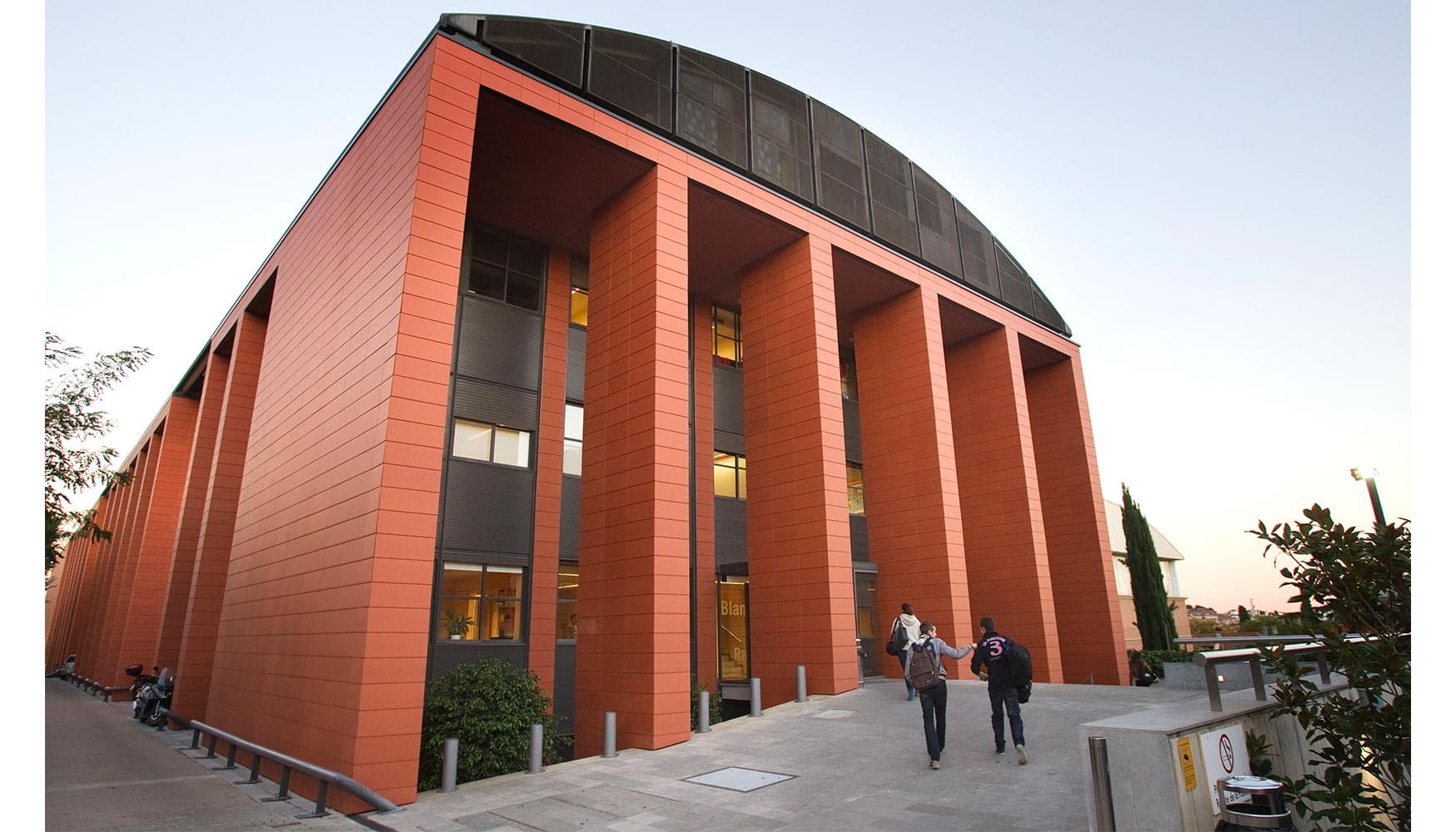
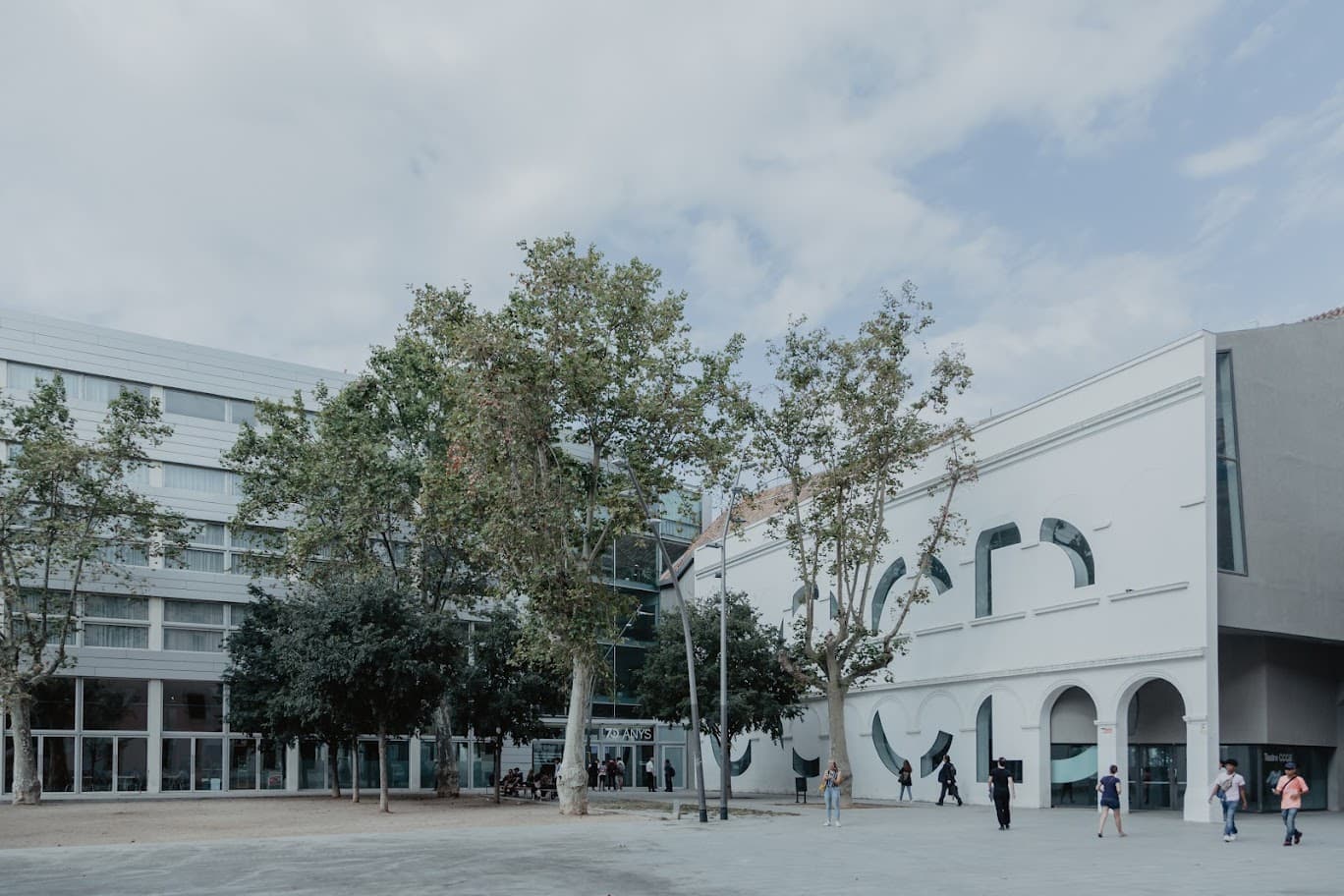
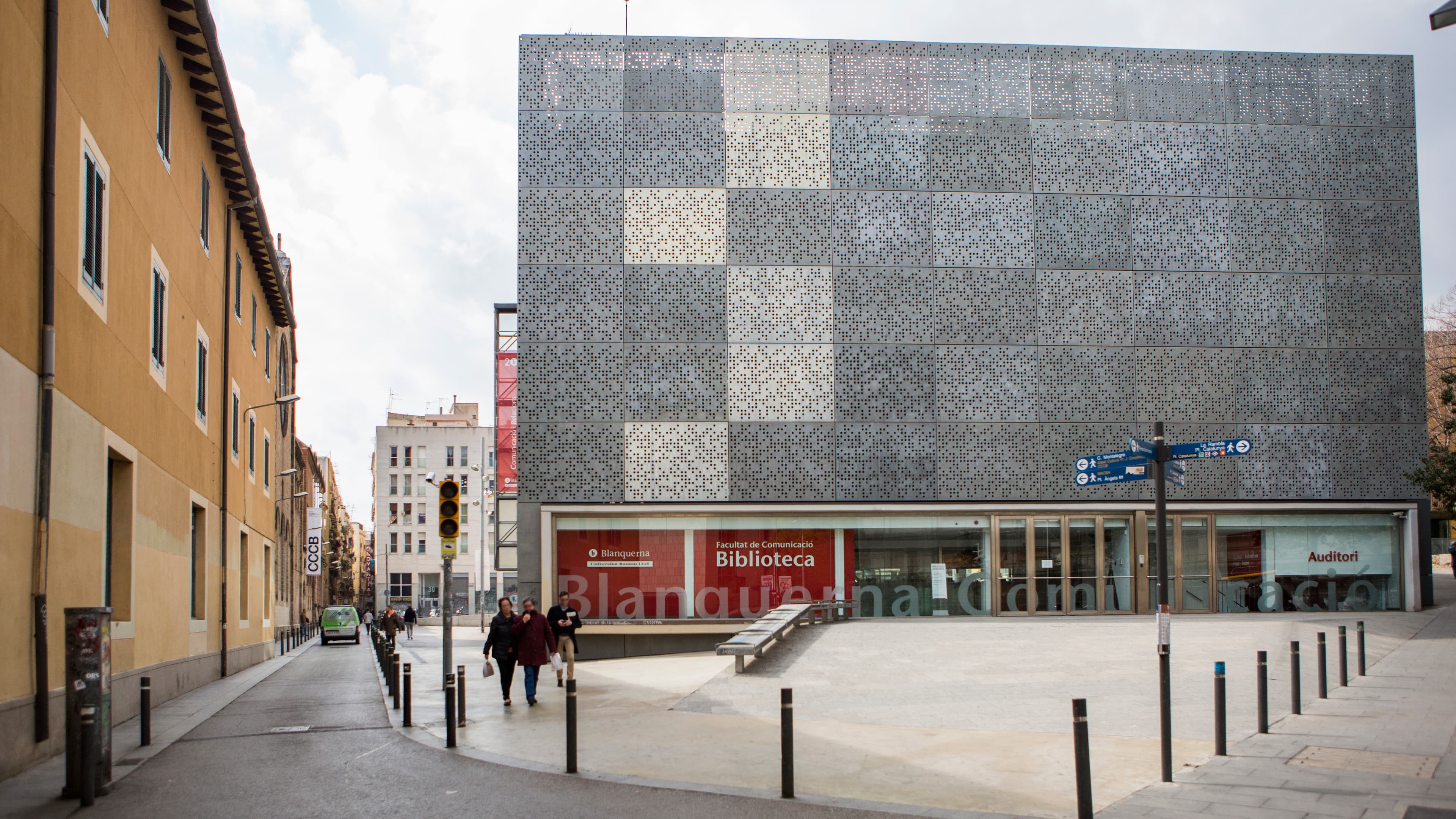
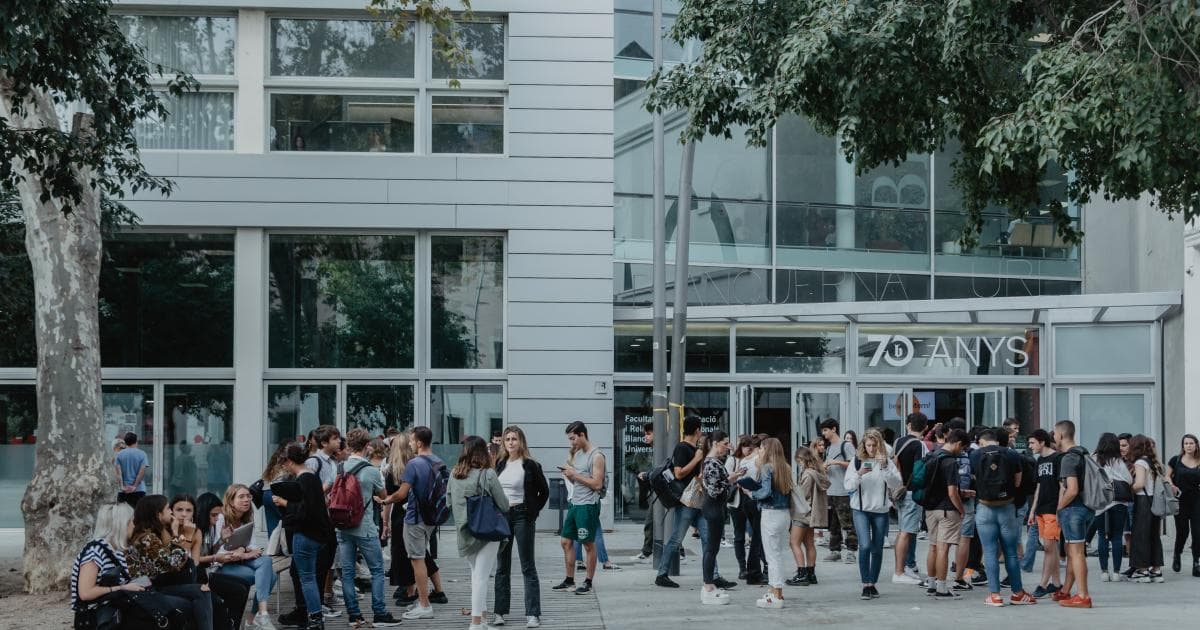
The Bachelor's Degree in Social Work at Blanquerna-Universitat Ramon Llull prepares students for a profession that promotes the rights of individuals, groups and communities, with particular attention to people in situations of vulnerability or social risk. From the 2026-2027 academic year it is taught at Blanquerna, in the Faculty of Social Education and Social Work (formerly the Pere Tarrés Faculty), on Plaça Joan Coromines in Barcelona. It comprises 240 ECTS over four years, taught in person, in Catalan and in the morning. After a common grounding in sociology, psychology, law, anthropology and social policy, the plan goes deeper into individual, family, community and group social work, social services, welfare systems, planning and evaluation, and law applied to social work.
✨ Specific Information
Classes are small with personalised follow-up, and the social lab and Gesell room let students rehearse professional intervention. The Practicum moves from seminars in the first and second years to institutional placements in the third and professional-action placements in the fourth, with 450 hours of curricular placements. Electives are grouped into four specialisation pathways, and the 11-ECTS Final Degree Project takes up the fourth year. Double degrees are offered with Social Education, International Relations and Nursing.
👤 Recommended Profile
For those who want to help vulnerable children, migrants or people deprived of liberty, and to tackle the social challenges of the 21st century from a practical perspective. Empathy, analytical skills, communication and a commitment to social justice all help.
🚀 Career Prospects
Career paths include individual, group and community social services, prisons, child protection and family assessment, personal autonomy and dependency care, health (hospitals, primary care, mental health), job placement, social and family mediation, gender-violence support, vulnerable groups, functional diversity, adoptions, social projects, applied research and international cooperation.
More information
More information
Source:Generated by Stuveo
Sociology
Source:Generated by Stuveo
Social history
Source:Generated by Stuveo
Educational theories and processes
Source:Generated by Stuveo
Law and citizenship
Source:Generated by Stuveo
Social policy
Source:Generated by Stuveo
Fundaments of social work
Source:Generated by Stuveo
Life cycle psychology
Source:Generated by Stuveo
Social psychology
Source:Generated by Stuveo
Practicum I: Approach to social action
Source:Generated by Stuveo
Practicum II: Communication tools
Source:Generated by Stuveo
Social anthropology
Source: IQS (Fundació Privada Institut Químic de Sarrià, Universitat Ramon Llull), Read on October 7, 2026 · cms.blanquerna.edu, Read on October 7, 2026
Source: Blanquerna - Universitat Ramon Llull, Read on October 1, 2026
 Blanquerna
Academic performance
Source:  AQU Catalunya — EUC Estudis, indicadors UNEIX per titulació (Generalitat de Catalunya)


- Early Childhood Education: 36 ECTS credits
- Social Integration: 36 ECTS credits
- Sociocultural and Tourism Activities: 36 ECTS credits
Explore its fields of study
Every programme in the fields this degree belongs to